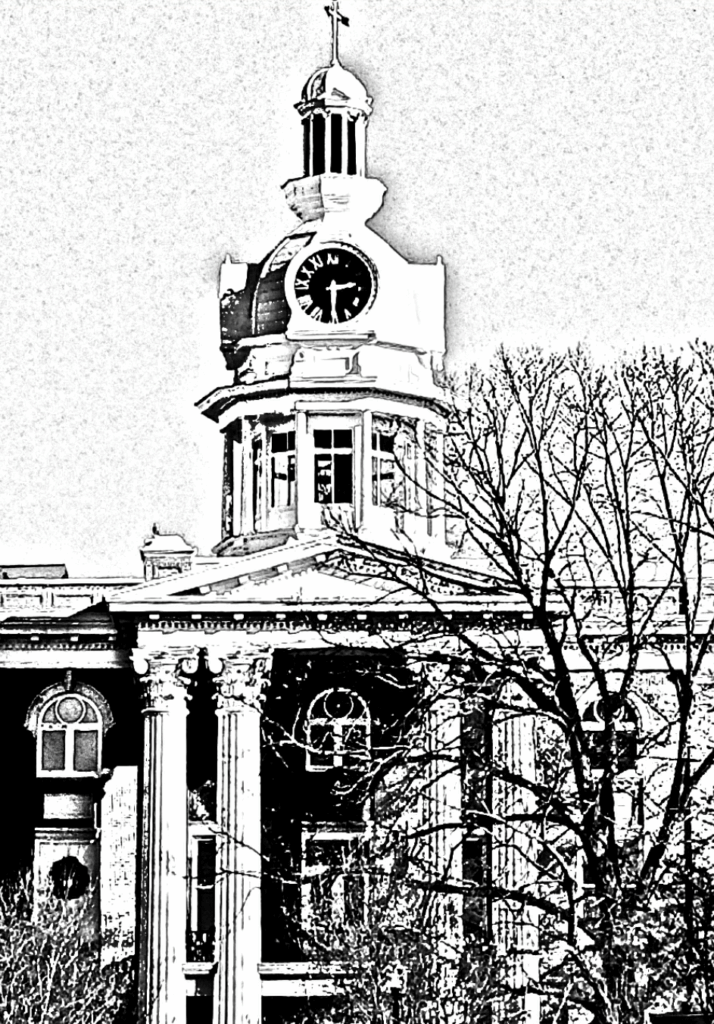
Nestled in the heart of Tennessee, Murfreesboro’s historic downtown Public Square and its iconic 1859 Rutherford County Courthouse have witnessed over two centuries of drama, from political upheaval to clandestine mobster meetups. But long before Civil War cannons echoed here, this square was the beating heart of Tennessee itself. From 1818 to 1826, Murfreesboro served as the state capital—a fact that drew frontier legends, future presidents, and even a young Judy Garland to its streets. Let’s stroll through time and uncover the tales of the famous (and infamous) who’ve shaped this Southern gem.
1. When Murfreesboro Was Tennessee’s Capital: Politics, Duels, and Frontier Royalty
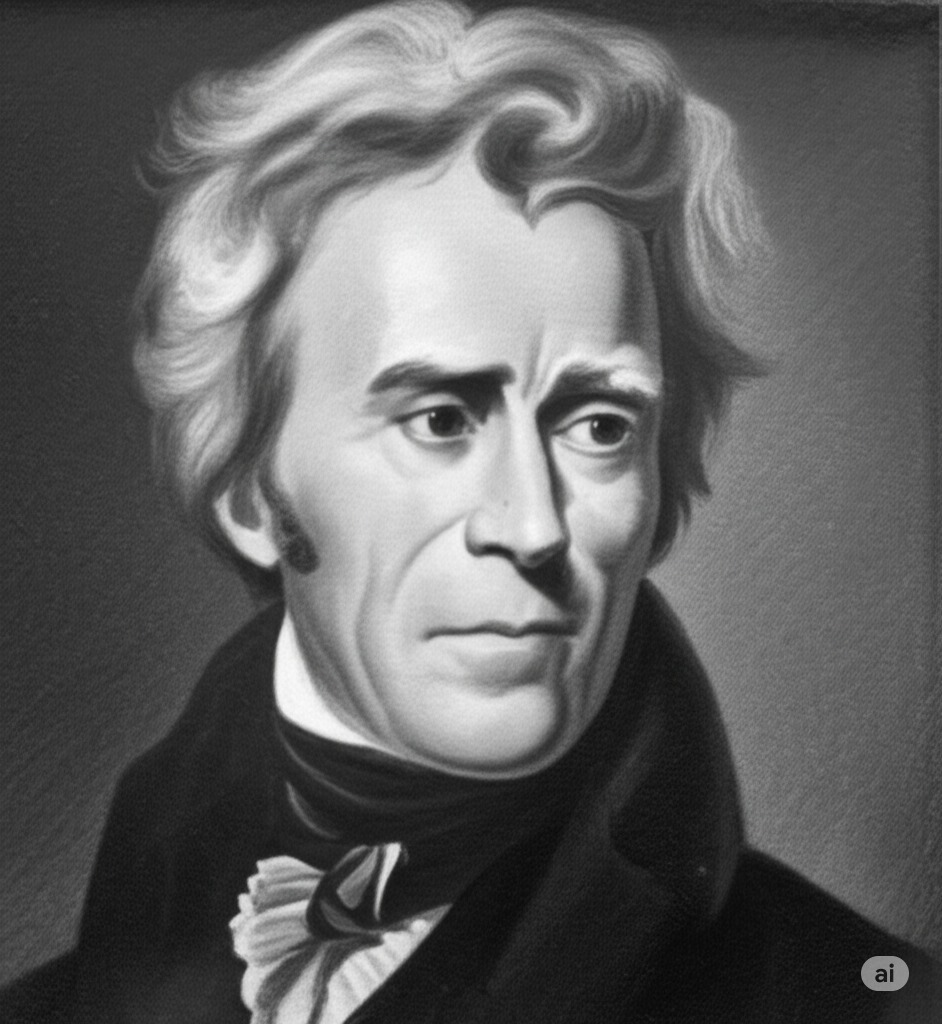
Before Nashville claimed the title, Murfreesboro’s Public Square buzzed as Tennessee’s political epicenter. The original courthouse (replaced by today’s 1859 structure) hosted the state legislature, drawing giants like Andrew Jackson—the fiery future president—who reportedly dueled with words (and occasionally pistols) over land deals. James K. Polk, then a young legislator, and his wife Sarah debated policy here, while frontiersman Davy Crockett charmed crowds with his folksy wit before his fateful trip to the Alamo .
The square’s taverns and inns hummed with deal-making and gossip. Today, plaques and walking tours honor this golden era, though you’ll need to imagine the clatter of horse-drawn carriages and the smell of bourbon-soaked debates lingering in the air.
2. Civil War Generals & the Courthouse’s Battle-Scarred Rebirth
By the 1860s, the Civil War transformed the square into a battleground. The current courthouse, completed just two years before the war began, survived Union occupation and Confederate raids. In 1862, General Nathan Bedford Forrest led a daring attack to reclaim the town, though it was General John Hunt Morgan who famously torched the courthouse during a raid, leaving only its limestone skeleton.
The square’s strategic role continued during the Battle of Stones River, with Union General William Rosecrans establishing Fortress Rosecrans nearby. Miraculously, the courthouse was rebuilt by 1865—a testament to Murfreesboro’s grit—and remains the oldest operational courthouse in Tennessee.
3. Al Capone’s Secret Hideout: Speakeasies and Flower Shops
Step into Veda’s Flowers & Gifts on the south side of the square, and you’re standing where Al Capone once slept. During Prohibition, the building housed a hotel where Capone reportedly stayed while visiting his speakeasy at the Pastime Barber Shop & Pool Room nearby.
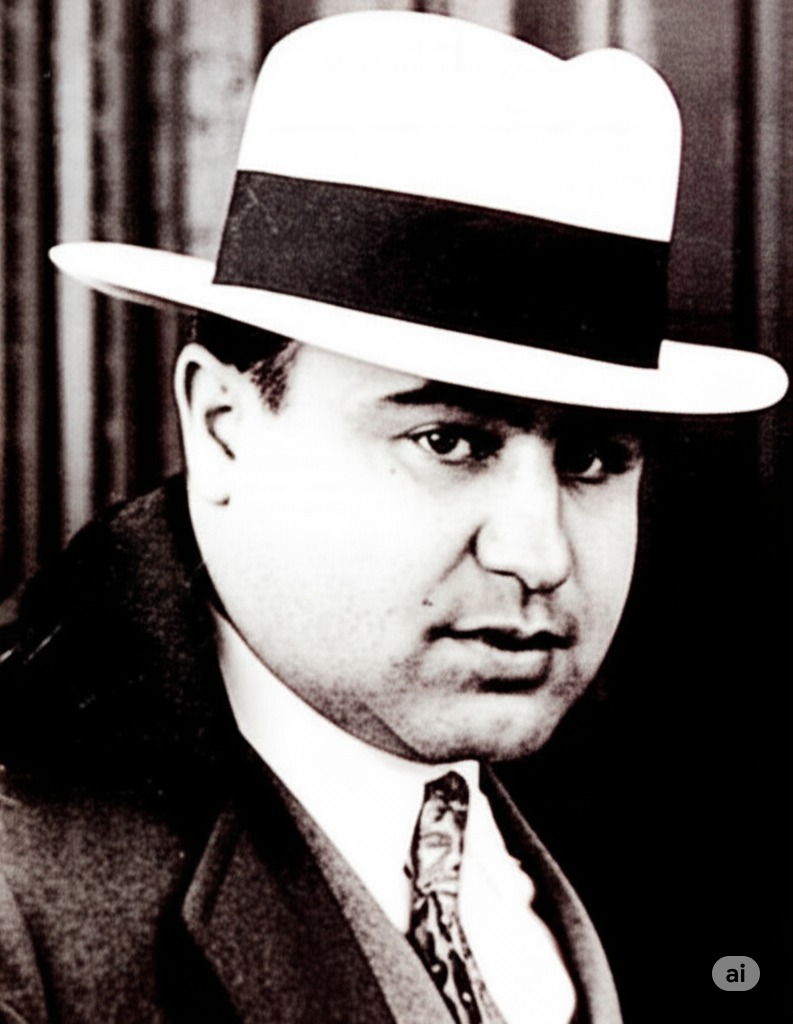
“He’d play pool under Tiffany lamps, then slip out the back if feds came sniffing,” says local historian Mary Smith. The barber shop’s original 1920s snooker tables still stand, though these days, the only vice sold here is a hot-towel shave .
4. MacArthur’s Triumphant Return: A Hero’s Parade for the Ages
Murfreesboro holds a special claim to General Douglas MacArthur—his wife, Jean Marie Faircloth, grew up just blocks from the square. In 1951, six years after WWII, the MacArthurs returned to her hometown for a victory parade down West Main Street.
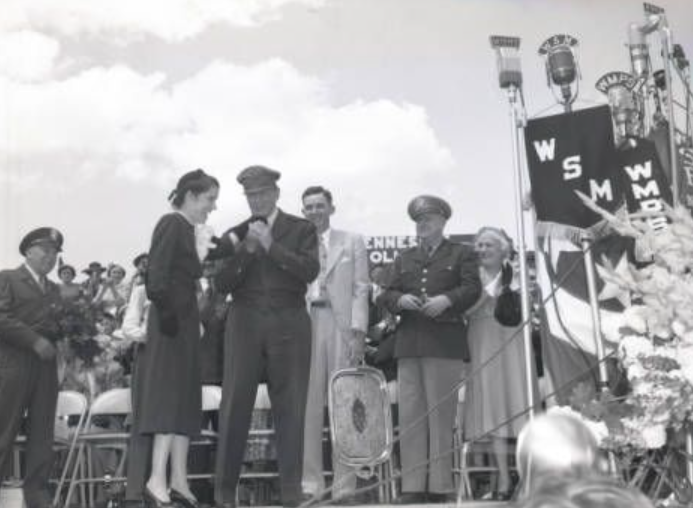
A crowd of 20,000 swarmed the square, cheering as the general waved from a convertible. NBC TV, Life magazine, and Fox Movietone News captured the spectacle, dubbing it “the South’s grandest welcome.” Jean, ever humble, later told reporters, “This is where my heart never left”.
5. Patton’s Pre-War Playground: Training for D-Day on Tennessee Soil
Decades before D-Day, General George S. Patton sharpened his tactics in Murfreesboro. In the early 1940s, the Army chose Middle Tennessee’s rolling hills—eerily similar to Germany’s terrain—for war games. Patton’s tanks rumbled through fields near the square, and locals hosted soldiers for Sunday dinners.
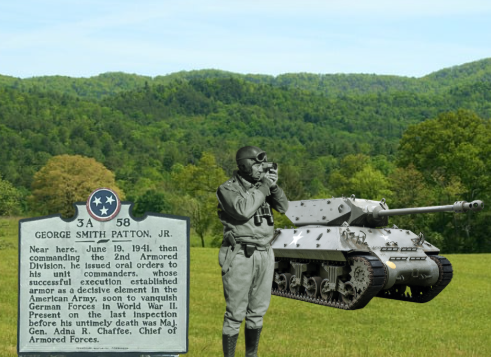
“He was tougher than a rattlesnake,” recalled farmer Joe Batey, whose land became a makeshift barracks. The maneuvers foreshadowed Patton’s legendary campaigns, forever linking Murfreesboro to WWII history .
6. Stardust on the Square: Judy Garland’s Childhood Glimpse
Before she clicked her ruby slippers, a young Judy Garland (born Frances Gumm) lived briefly on East Main Street in the 1920s. Her father managed a local theater, and though records are sparse, family letters suggest Frances sang at church socials near the square. Imagine the future icon, pigtailed and wide-eyed, skipping past the courthouse—a quiet prelude to Hollywood fame.
7. The Square’s Unsung Heroes: Where History Meets Hustle
Beyond the big names, the square thrived on everyday tenacity. Bell Jewelers, open since 1879, sold everything from wedding rings to tractors. Shacklett’s Photography documented 20th-century life, from WWII soldiers to civil rights marches. At City Café, politicians still broker deals over fried pickles, continuing a 125-year tradition of “straw poll” predictions.
Even the Palace Barber Shop, founded in 1931, hides stories in its basement: during the Depression, owner Carlock Jones transformed it into a makeshift toy store, hosting Christmas train displays to lift spirits—a tradition that continues today .
Why the Square Still Matters
Murfreesboro’s Public Square isn’t frozen in time—it’s a living scrapbook. College students flock to coffee shops, the eateries, and the courthouse clock still chimes. Yet history whispers everywhere: in Veda’s Flowers, where Capone once napped; in the bullet marks on the courthouse columns; and in the footsteps of Jean MacArthur, who walked from her childhood home to a hero’s reception.
As Mayor Shane McFarland puts it: “We’re not just preserving bricks—we’re honoring the dreamers, schemers, and believers who made this place unforgettable.”
Visit & Discover
Ready to walk through layers of history? Sip coffee at The Coffee Pod (housed in a 1900s bank), hunt for Capone’s ghost at Veda’s Flowers, or join a guided tour to trace Davy Crockett’s stomping grounds. Murfreesboro’s square proves that even small towns can hold the world’s stories—you just have to listen.