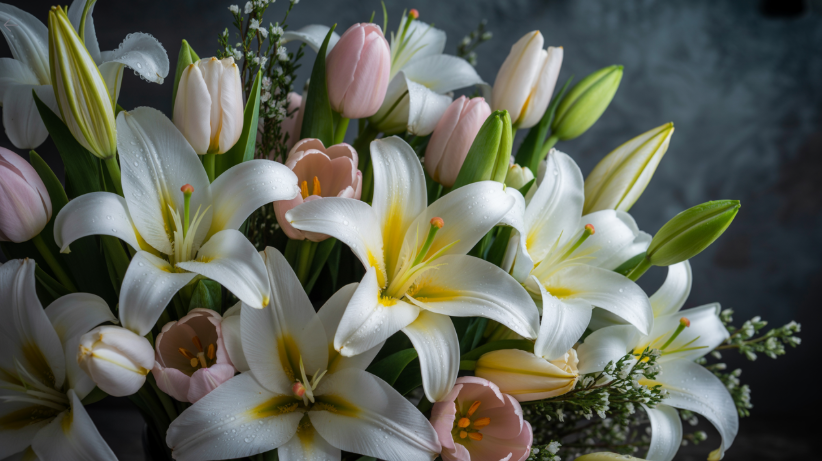
There’s something unmistakably special about Easter weekend in Murfreesboro, Tennessee. As the morning light peeks through the stained glass of our local churches and choirs sing of renewal, hope, and resurrection, the heart of our historic downtown public square begins to bloom—both figuratively and literally. And nowhere is that more apparent than in the petals, pastels, and perfume of Easter flower arrangements.
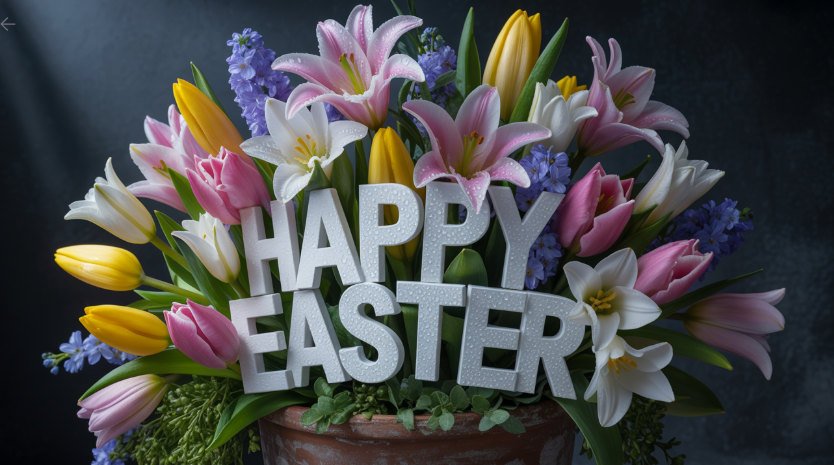
At Veda’s Flowers & Gifts, the little flower shop on the square, Easter isn’t just another holiday. It’s a celebration that touches the soul—where tradition meets community, and every bouquet becomes a symbol of new life. But did you know that, once upon a time, Easter was the biggest day of the year for florists across the country—outranking even Valentine’s Day and Mother’s Day? It’s true—and the legacy of that floral frenzy still lives on in communities like ours. Let’s dig into why Easter flowers matter, the timeless blooms behind the tradition, and why Murfreesboro remains one of the most florist-friendly, flower-loving communities in the South.
A Brief History: Easter, The Flower Holiday Before It Was Trendy
Before roses ruled Valentine’s Day and carnations colored Mother’s Day brunches, Easter Sunday reigned supreme as the flower industry’s crowning moment. In the early to mid-1900s, it was common for families to don new outfits, attend Sunday service, and decorate their homes with stunning Easter centerpieces—all symbols of rebirth and grace.
Florists would work through the night in the week leading up to Easter, arranging lilies, tulips, hyacinths, and daffodils with loving precision. The idea was simple: if Christmas celebrates miracles, Easter celebrates life itself. And what better medium for that than flowers—earth’s most elegant messengers of beauty, hope, and transformation?
Though times have changed and commercial trends have evolved, Easter still holds a sacred place in the hearts of floral designers. For us at Veda’s, it’s not about profit margins. It’s about meaning. Each stem we place in an Easter arrangement tells a story that’s as fresh as the blooms themselves.
The Language of Easter Flowers: A Bloom for Every Blessing
Each flower used in Easter arrangements carries its own rich symbolism. Let’s walk through a garden of meaning and explore the classic flowers that bring Easter joy to life:
Easter Lily
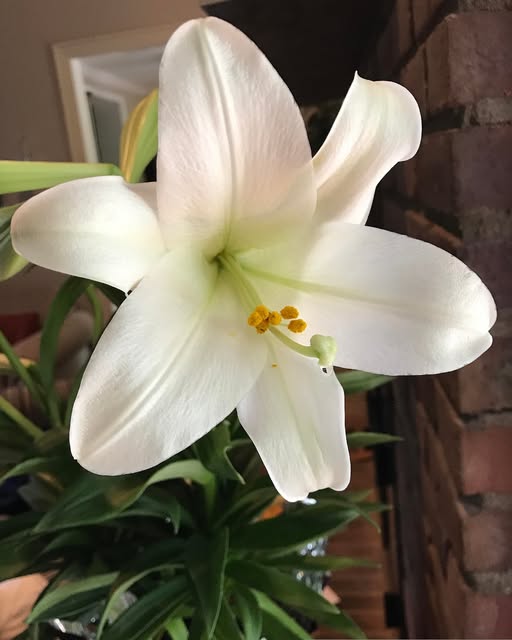
The undeniable star of the show, the Easter Lily is symbolic of purity, resurrection, and the promise of eternal life. With its trumpet-like white blooms, it’s long been associated with the Virgin Mary and the resurrection of Christ.
According to legend, lilies grew from the ground where Jesus’ sweat fell during his final moments on the cross—making it deeply tied to the spiritual core of the season.
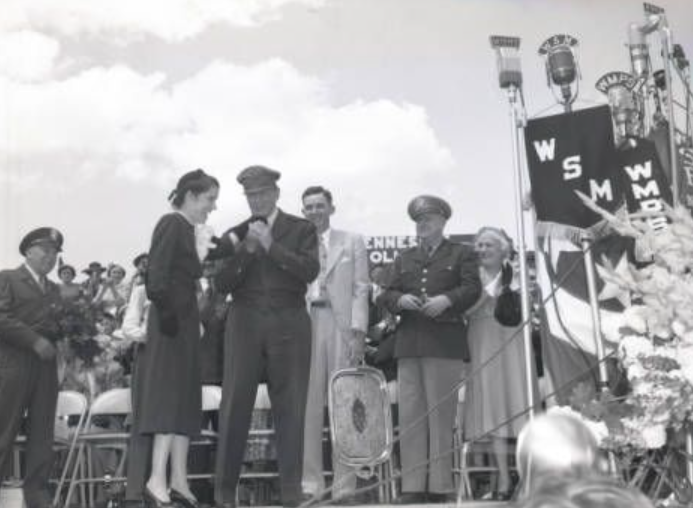
Fun fact: The Easter Lily actually originated from Japan and was introduced to the U.S. in the early 20th century. By the 1940s, it became a beloved Easter symbol, with American-grown lilies flourishing from Oregon to the floral counters of Murfreesboro.
Tulips
Tulips—particularly in shades of lavender, white, and pink—represent love and rebirth. Their elegant, cup-like shapes make them a favorite for springtime arrangements. They symbolize perfect love, which ties beautifully into the themes of divine grace and renewal found in Easter worship.
Daffodils
These cheerful yellow blooms are among the first to peek out in spring and are often considered a “trumpet” of joy. In Christian tradition, the daffodil is seen as a symbol of eternal life. Their appearance coinciding with the Easter season makes them a staple in celebratory bouquets and altar arrangements.
Hyacinths
Known for their rich fragrance and vibrant hues (purple, blue, pink), hyacinths represent peace of mind and rebirth. They’re often used in spiritual arrangements and serve as a fragrant reminder of faith and perseverance—values that resonate deeply in our shop’s journey and our community.
Iris, Crocus, and Baby’s Breath
- Irises represent hope and wisdom, ideal for Easter services.
- Crocus, one of the first flowers to bloom through snow, signifies renewed youth and spiritual awakening.
- Baby’s Breath, with its delicate white clusters, adds a whisper of innocence and heavenly purity to Easter centerpieces.
Murfreesboro in Bloom: A Florist-Friendly Community with Heart
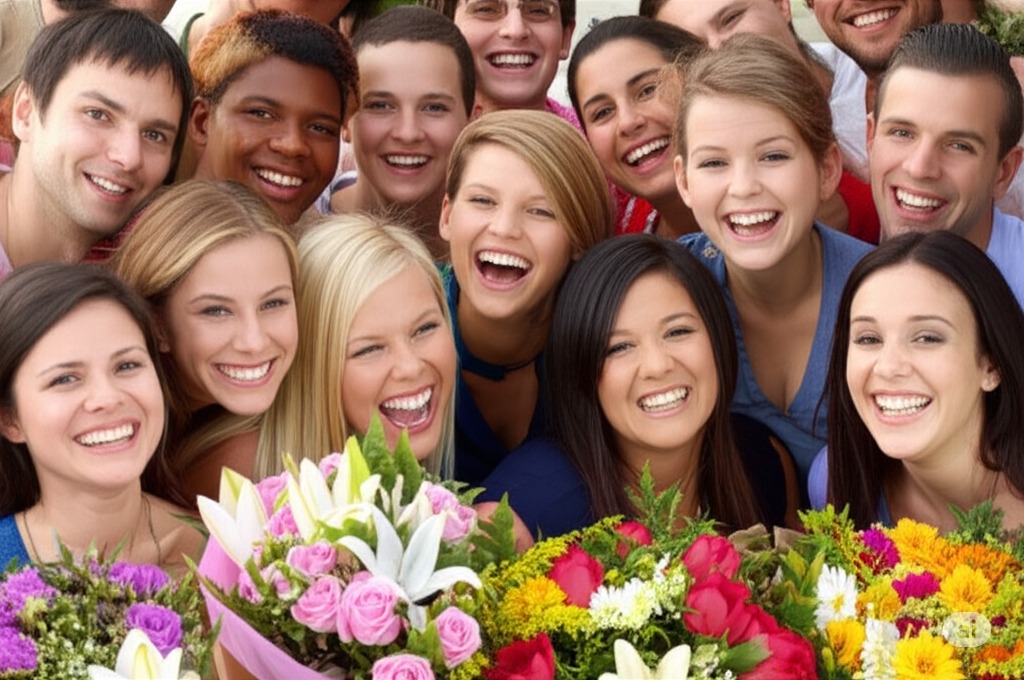
If you’ve ever wandered Murfreesboro’s historic downtown public square on an Easter weekend, you know what we mean when we say this town comes alive.
After the morning church bells ring and congregations wrap up services all across the Boro, families make their way to the eateries dressed in their Easter best—lace, linen, and pastel perfection. And that’s when the heart of the Boro begins to hum. Local restaurants fill with hungry patrons looking for Easter brunch, and boutiques buzz with laughter and post-service browsing.
You can still smell cinnamon rolls, biscuits, sausage and bacon wafting down the street while little ones dash about with Easter baskets in hand. This magical moment is why owning Veda’s Flowers & Gifts in this community is such a joy. Not only do we prepare arrangements specifically for churches, nursing homes, and family tables, but we also witness the real-time magic of how flowers make people feel.
Customers stop by during the week to grab a bouquet on their way to grandmas house on Easter for lunch. Kids pick out a pastel bunny plush and a mini potted daffodil for their teachers. It’s all heartfelt, all hometown—and it’s all part of the Easter story here in Murfreesboro.
The Role of Florists in Easter Traditions
Easter flower arrangements are more than decorative—they’re emotional bookmarks in people’s lives.
For some, it’s a vase of tulips in the window, welcoming a soldier home for the holiday. For others, it’s the white lilies arranged beside a memorial photo at a family gathering. In churches, they adorn the altars, symbolizing resurrection and renewal, offered in memory or celebration. And in shops like ours, they represent an age-old tradition of connection—through petals, prayer, and purpose.
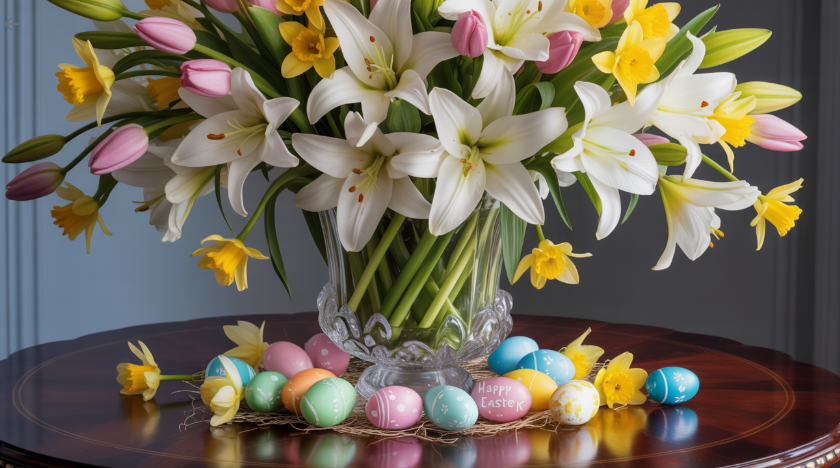
Florists like us don’t just design bouquets—we’re creating personal rituals. Each order we receive comes with a story: a daughter surprising her mom, a neighbor thanking a Sunday School teacher, or a friend brightening a lonely heart’s day.
Bringing Easter to the Square: Events & Atmosphere
The Easter weekend in downtown Murfreesboro isn’t just a holiday—it’s a festival of community.
The square glows with family-friendly activities:
- Egg Hunts in the Courthouse Lawn
- Photo ops with the Easter Bunny
- Live bluegrass music near the fountains
- Artisan booths selling handmade candles, jams, and—yes—fresh-cut flower bundles
And of course, special holiday menus at beloved eateries like Puckett’s, Marina’s on the Square, and The Alley on Main.
Local churches decorate their steps with lilies and floral arches, drawing crowds in for sunrise services. It’s the kind of place where people know your name, and a warm smile is as common as a spring breeze. Flowers are tucked into hair, pinned on lapels, and placed gently at family gravesites. That’s the soul of Easter in Murfreesboro.
Why Flowers Still Matter: A Modern Take on a Timeless Tradition
In today’s world of digital greetings and quick Amazon gifts, a fresh floral arrangement remains one of the most meaningful gestures you can give—especially at Easter. It says:
- “I’m thinking of you.”
- “Your faith inspires me.”
- “Spring is here, and so is hope.”
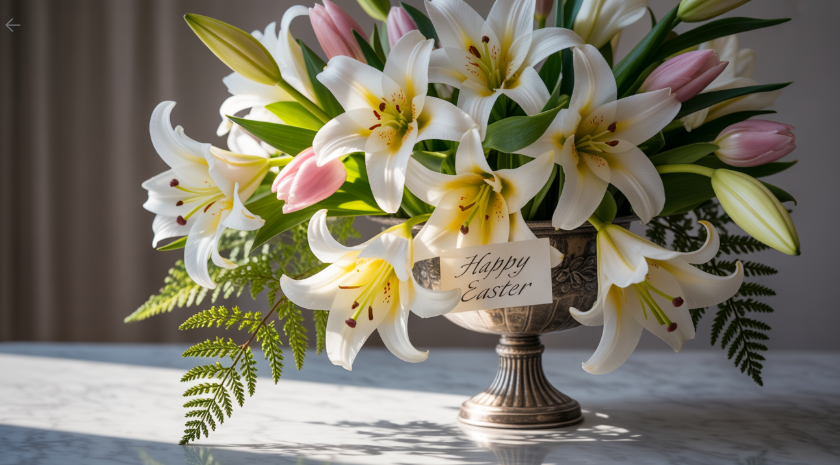
Whether it’s a hand-delivered Easter centerpiece filled with tulips and hyacinths, or a fragrant bouquet of lilies placed at the altar of a historic church, flowers bring sacred stillness to a busy world. They remind us to pause, to breathe, to remember the beauty around us—and within us.
Veda’s Flowers & Gifts: Easter, Handcrafted with Love
At Veda’s Flowers & Gifts, we’re proud to be part of this blooming legacy. Our Easter arrangements are crafted with care, combining tradition and creativity in every design. We love hearing customers’ stories—why they’re buying flowers and who they’re meant for. Sometimes it’s happy. Sometimes it’s bittersweet. But always, it’s human. We work with churches, event planners, and families to design:
- Easter altar arrangements
- Brunch table centerpieces
- Door wreaths and porch pots
- Petite personal bouquets for teachers, friends, and caregivers
Everything is made with heart, right here in the shop our family built, side by side, flower by flower.
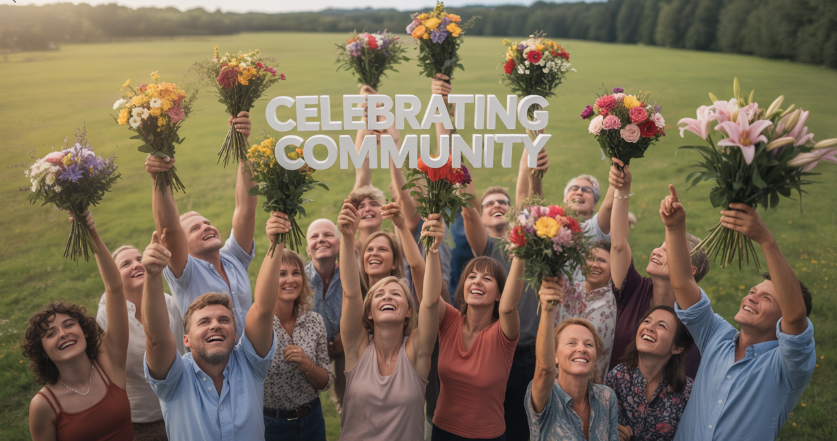
Final Petal: Celebrate Easter, Celebrate Community
This Easter, whether you’re dressing up for church, meeting family for brunch, or simply enjoying a moment of stillness on your porch—let flowers be part of your celebration. They’re nature’s way of saying “new life is always possible.”
Here in Murfreesboro, we see that every year—how our little square comes alive with color, joy, and tradition. And we’re honored that, through each bouquet, Veda’s Flowers & Gifts gets to play a small but beautiful role in that unfolding story.
Happy Easter from our family to yours. May your weekend bloom with hope, happiness, and a little extra love wrapped in ribbon.